OpenVoice OS @ Speechday 2026

Timon van Hasselt
OVOS Contributor
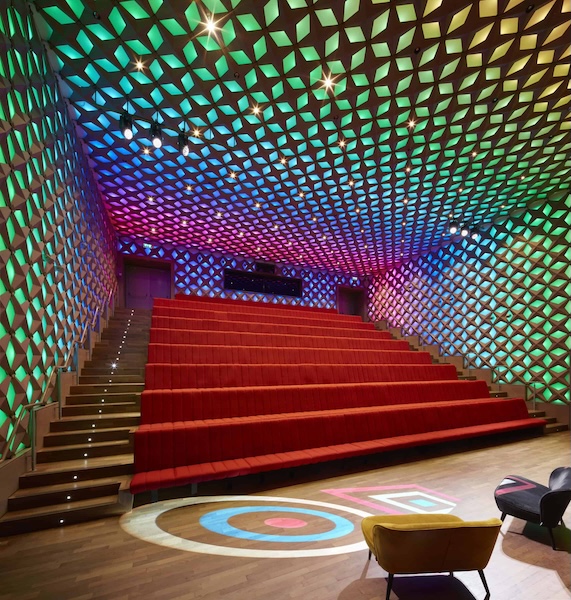
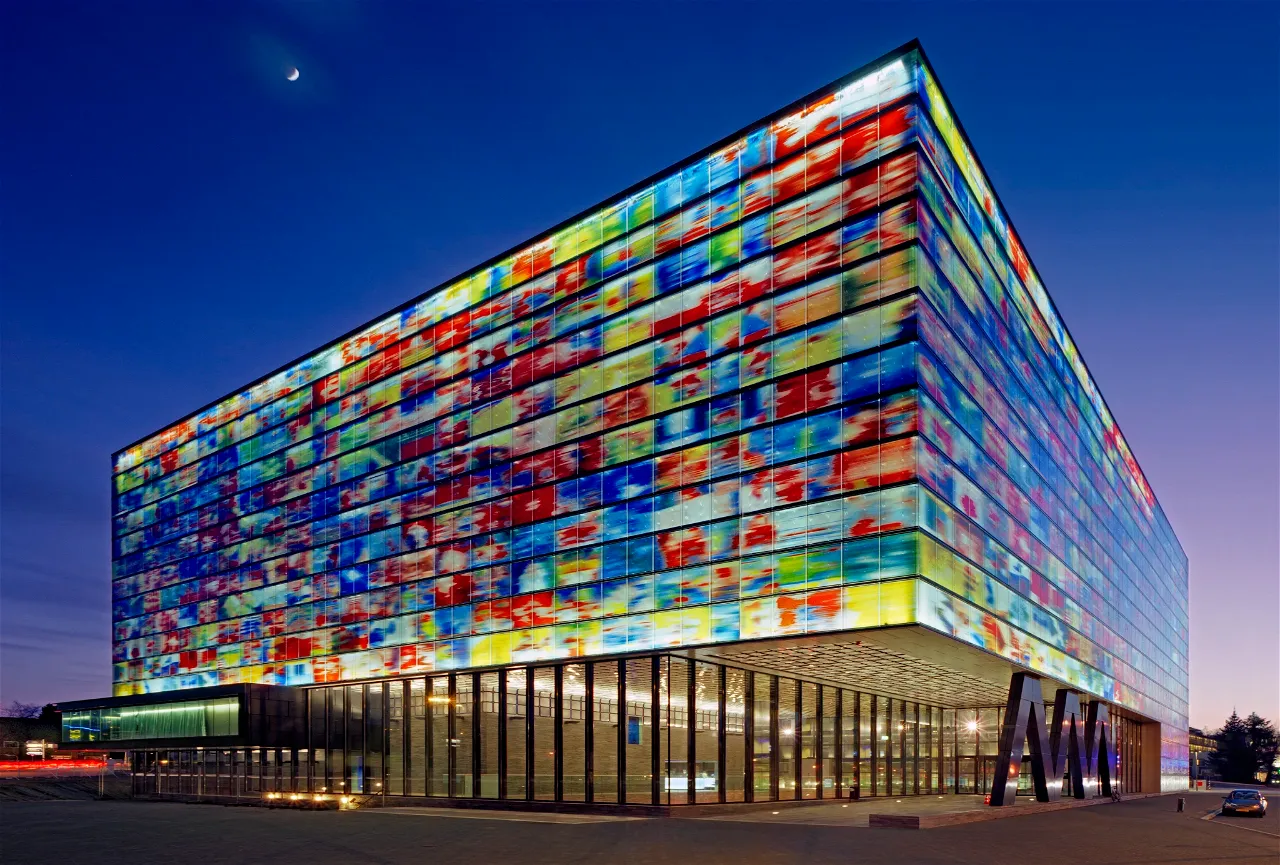
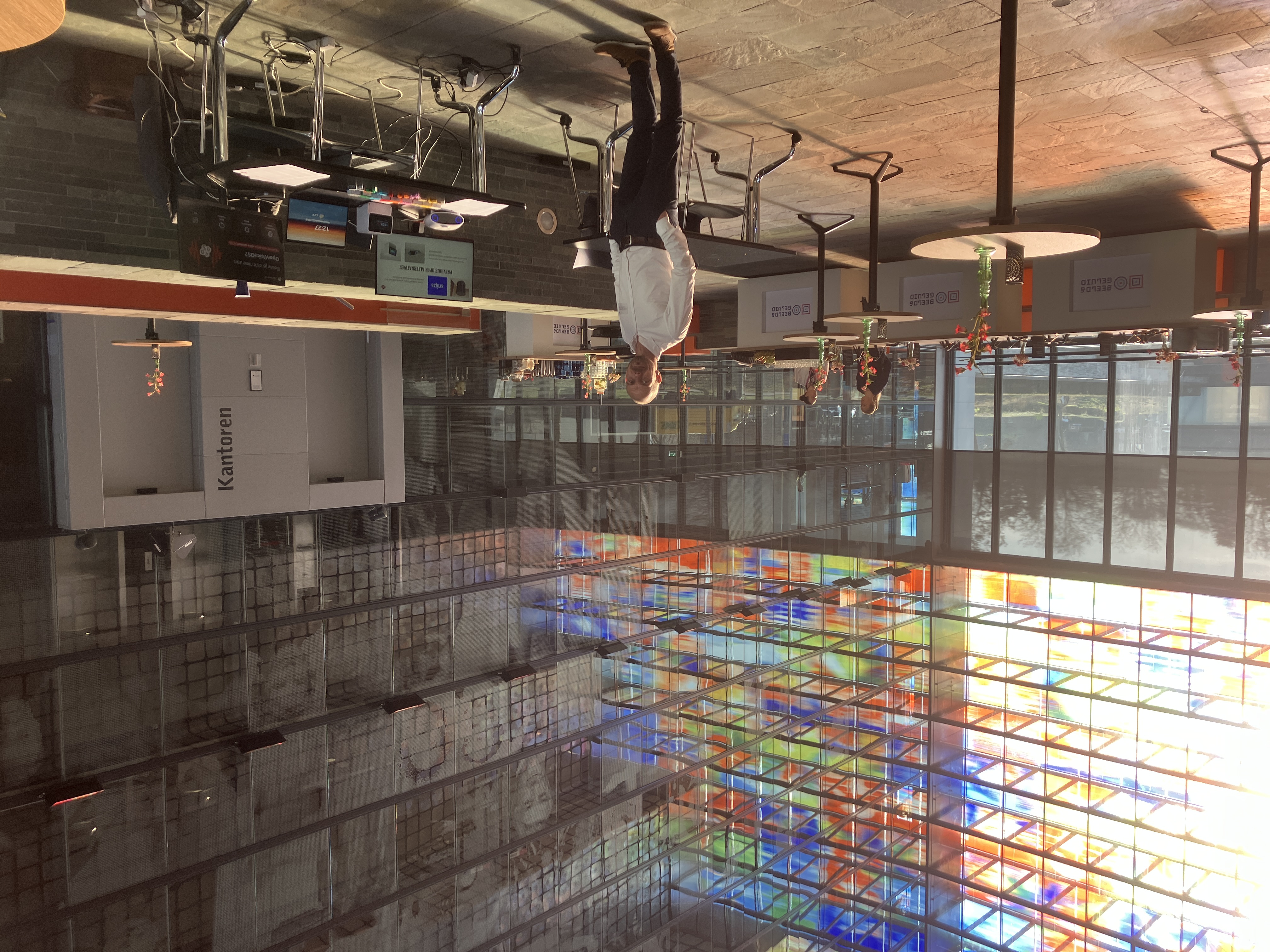
On Monday, February 2, 2026, Peter Steenbergen and I attended the fourth Dutch Speech Tech Day at “Beeld & Geluid” (Sound & Vision) in Hilversum, The Netherlands. It was our first time attending this annual meeting of approximately 100 researchers, innovators, and speech technology enthusiasts, held in the inspiring Radio & Television archive building.
OVOS & VisioLab
We represented OpenVoice OS to promote our FOSS (free and open-source) framework. I was also there on behalf of VisioLab (the tech innovation department of Visio). My pitch focused on the VoiceLab project, which centers on testing and prototyping new voice interactions for the blind and visually impaired—early adopters of voice-first interfacing. Additionally, we looked for collaborators to help build a truly open-source Dutch TTS through the subproject The Voice of Holland.
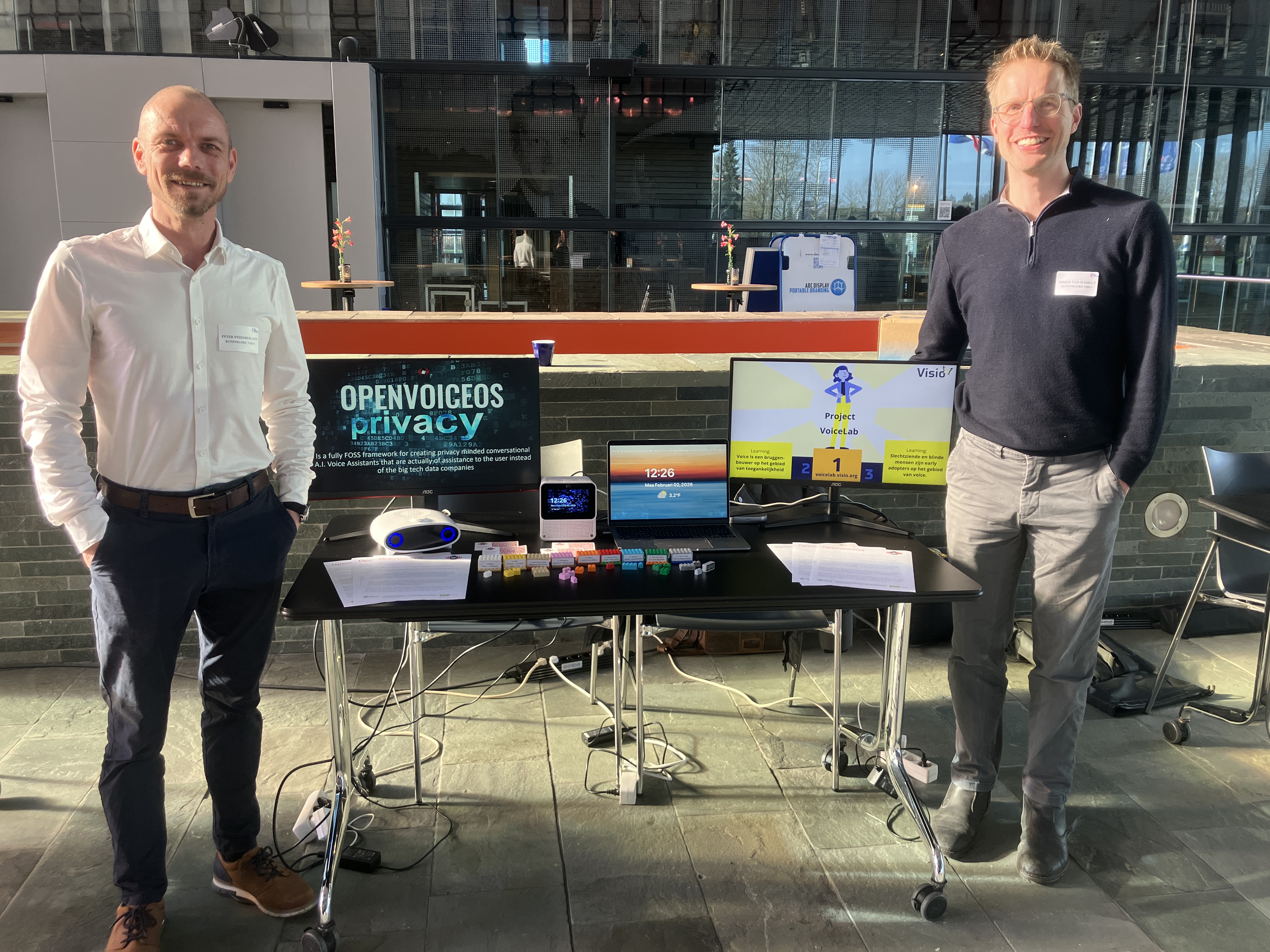
We had many fascinating conversations with like-minded people. Once visitors realized we had no commercial interest and were simply there to learn, exchange knowledge, and promote a sovereign platform, the ice broke quickly. It was refreshing to connect as peers in such an open environment.
LEGO

The interest in OpenVoiceOS was wonderful to see. Using LEGO blocks as a metaphor for the framework's modularity proved to be a great conversation starter ("Hey, what’s that LEGO all about?"). These modules—including voice activity detection, automatic speech recognition (ASR), and intent matching—form the OVOS pipeline.
This modularity aligned perfectly with the day's themes. New speech models appearing weekly on HuggingFace were the "talk of the town." I especially enjoyed demonstrating this flexibility: just the evening before the event, I swapped my favorite OVOS-Google-STT plugin for a newly released offline, open-source ASR model (NVIDIA parakeet-tdt-0.6-v3-onnx).
Thanks to an Apache 2.0 licensed OVOS-onnx-ASR-plugin created by the OVOS lead developer only hours after the model's release—wow, that was fast!—we could give a live demo of a completely local setup.
It performed with the speed of proprietary online plugins; you couldn't tell the difference from the outside! The next challenge is testing this on a Raspberry Pi 4 to see if we can maintain that performance.
AI Voice Personas
We also discussed the rise of AI speech agents —essentially LLMs with speech I/O. While new shiny agents like unmute.sh are impressive, they often require significant hardware to achieve low latency. According to their GitHub documentation, they run STT, TTS, and the LLM server on three separate GPUs to reach their target performance.
Our focus remains on local, private home devices that -just work- and are fast and usable without a massive backend. Our work on "OVOS-persona" is ongoing; whether it acts as the start of the pipeline or a fallback, the goal is to provide users with modular choices. They are in control.
Looking Forward
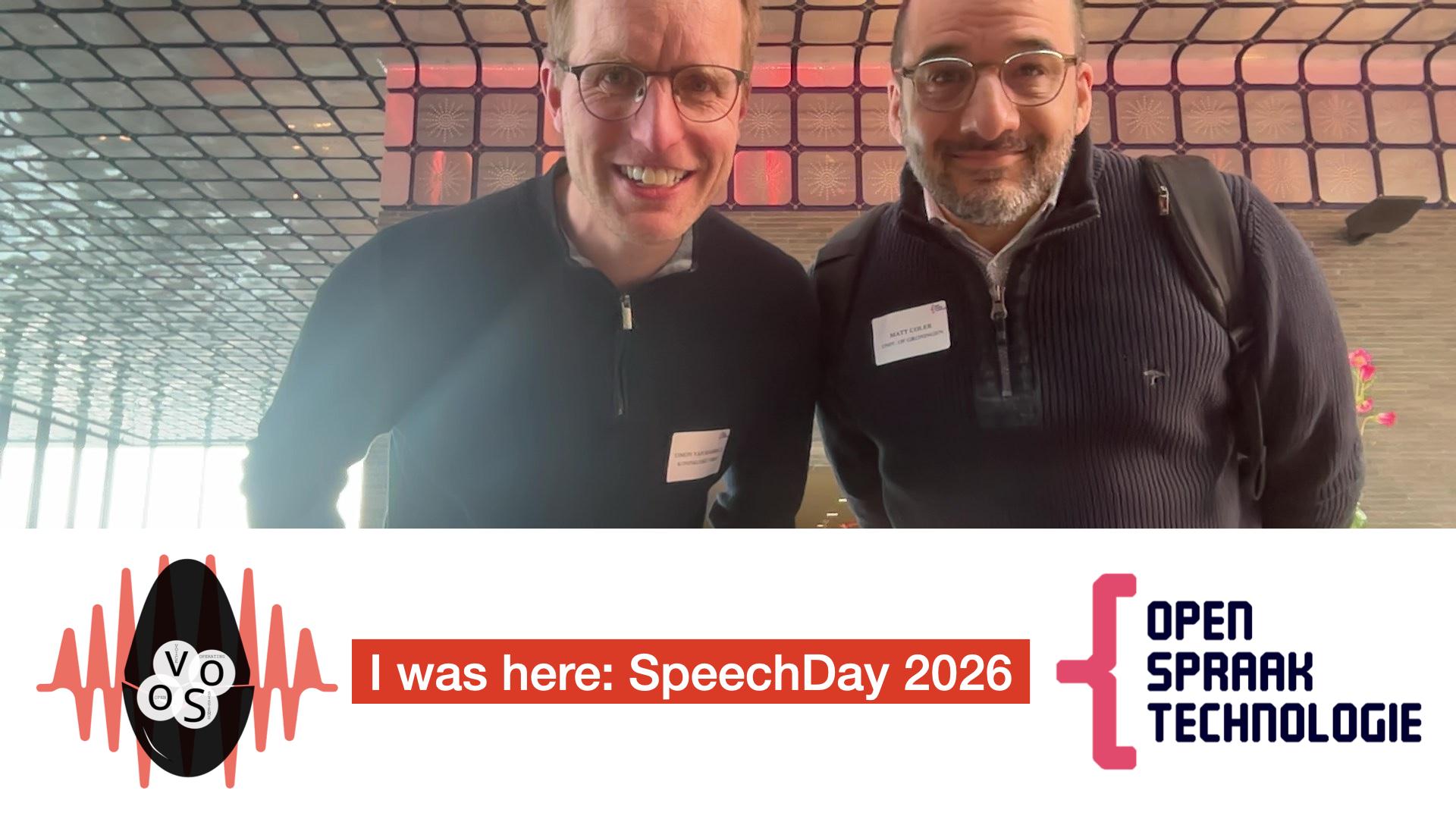
It was a pleasure to meet organizers and researchers like Matt Coler (University of Groningen). We share the ambition to support "small" or underexposed languages and user groups, such as people with speech disorders or specific dialects. By joining forces with this network of innovators, we can reduce dependency on Big Tech and prove that we can be self-sufficient in speech technology.
References
Help Us Build Voice for Everyone
OpenVoiceOS is more than software — it’s a mission.
If you believe voice assistants should be open, inclusive, and user-controlled, there are many ways to help:
- 💸 Donate — support development, infrastructure, and long-term sustainability
- 📣 Contribute open data — share voice samples and transcriptions under open licenses
- 🌍 Translate — help make OpenVoiceOS accessible in every language
We’re not building this for profit.
We’re building it for people.