Discover the latest updates, guides, and insights from the open-source voice assistant ecosystem. Join our journey of innovation and collaboration.
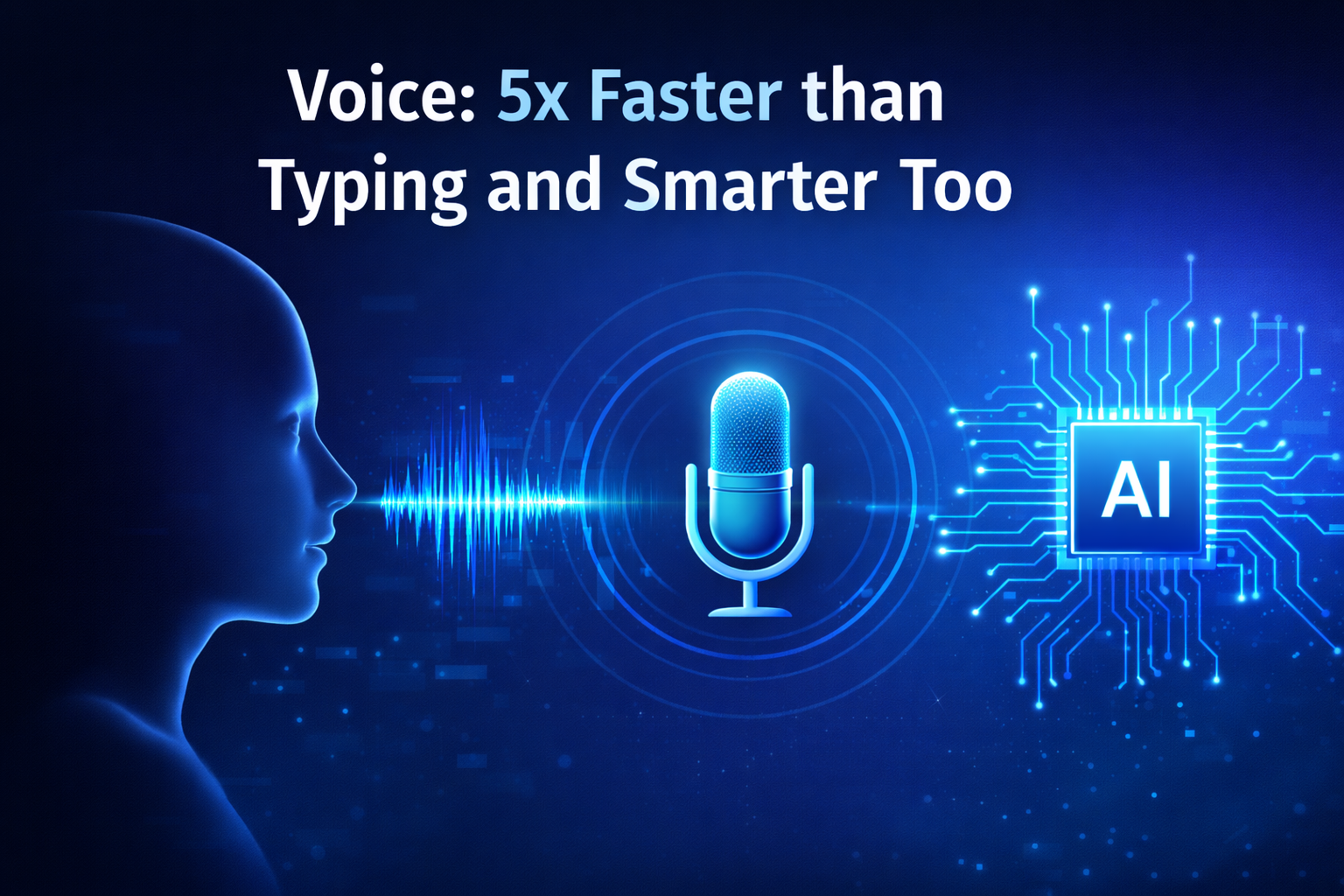
We still type, click, and scroll, even though speaking is the fastest, most natural interface humans have ever had. Voice isn’t a gimmick. It’s the interface AI has been waiting for.

The COALA and WASABI EU projects have built an entire industrial voice-assistant framework around OVOS + HiveMind, integrating them with their own tools, UI, and conversation engines.
Today marks an exciting milestone for linguistic preservation! We're thrilled to announce the development of the very first phonemizer for Barranquenho, a truly unique Ibero-Romance language spoken in the Portuguese municipality of Barrancos.
Have you ever wanted to hear a computer speak in an accent you love, or in a language that's rarely supported by big tech? Today we’re releasing new experimental Text-to-Speech models for Asturian (ast) and Aragonese (an), two beautiful minority Romance language spoken by communities who almost never get access to modern speech technology.
In an era dominated by probabilistic giants like Large Language Models (LLMs), it might seem counterintuitive to advocate for a more traditional approach to Artificial Intelligence.
We're thrilled to announce a new feature in OpenVoiceOS that aims to improve how your device listens. This new logic improves performance, reduces false activations, and makes OVOS an even more delightful and reliable voice assistant
For years, the OpenVoiceOS community has relied on the Precise wake word engine. It's the core of how you bring your voice assistant to life! However, as technology evolves, so must we. The time has come to ensure future compatibility and even better performance on modern hardware.
Share your knowledge with the OpenVoiceOS community! We welcome contributions on topics related to OpenVoiceOS, voice assistants, open-source technology, and more.
Learn How to Contribute